Cliff McCloe for AGP
10 questions I’d like to help AGP answer.
Turn audience understanding into lasting support.
AGP brings strategy, creative, data, and technology together to help nonprofits grow. The copy needs to connect those capabilities with the people behind every donation—giving new donors a reason to respond and existing supporters a reason to stay involved.
I’m Cliff McCloe. For more than 15 years, I’ve helped organizations understand their audiences, explain what matters, and carry a compelling story across channels. My nonprofit campaigns, community-building work, direct mail, and emails bring that experience to AGP’s focus on donor engagement and lasting relationships.
Here’s some of the thinking—and the work—I’d bring to your team.
Help people connect with a cause—and act.
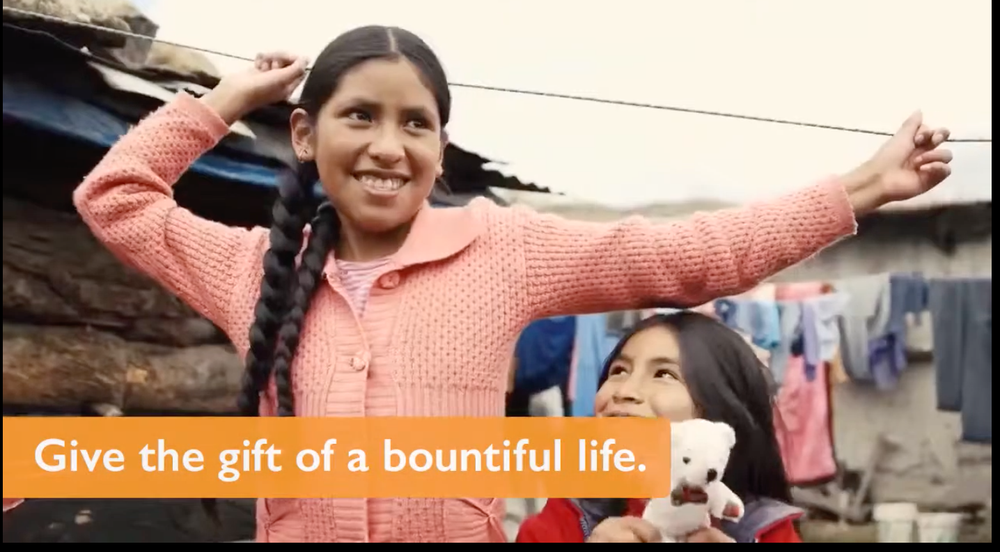
World Vision
1. How can a fundraising campaign resonate with different donors?
Fundraising · Website · Online Ads · Video
The challenge
A fundraising campaign needs a coherent experience: the story someone encounters first, the page they arrive on, and the next step they’re asked to take.
The approach
Audience research revealed different motivations for sponsorship. Two distinct campaign approaches gave each audience its own reason to connect with the same mission, carrying that message across video, landing pages, and digital advertising.
Legal Foundation of Washington
2. How can we make the lasting value of an endowment gift feel immediate?
Fundraising · Endowment giving · Video
The challenge
Washington’s legal community already understood how one legal problem could cascade into others for people experiencing poverty. LFW research revealed that gifts supporting legal aid year after year would especially appeal to this audience.
The approach
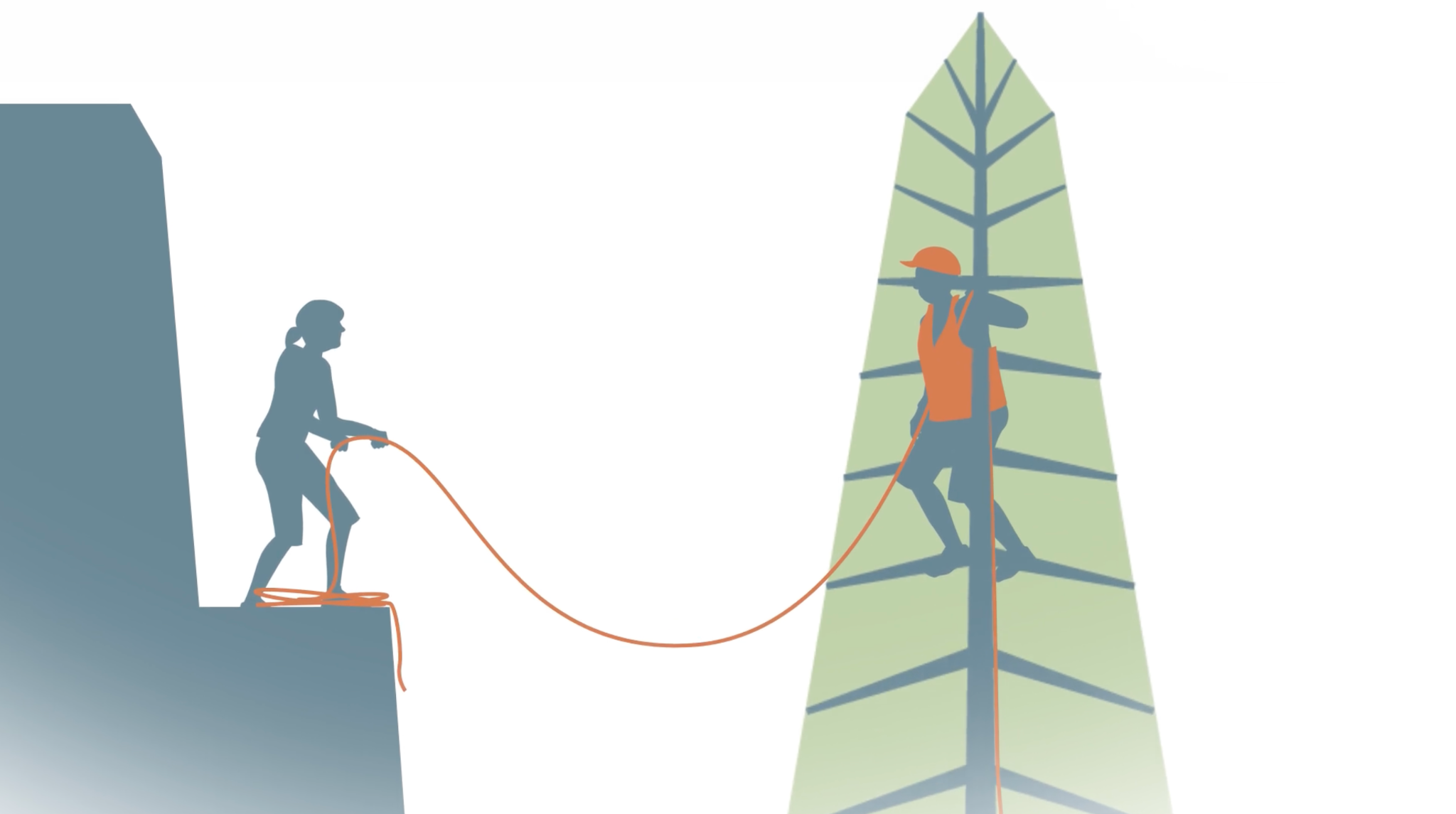
We used a familiar Washington landscape to connect immediate legal needs with lasting support. Precarious mountain ledges made compounding problems visible; seeds growing into trees explained how an endowment could help sustain civil legal aid for future generations.

The Day I Found Out
3. How can we earn participation before asking for it?
Community building · Social strategy · Website
The challenge
The assignment was to keep a dormant cancer-storytelling project’s Twitter account active. There was no budget to film new stories. So I started with the people who were already telling them.
The approach
We found cancer survivors online and shared their existing blogs and vlogs. We invested trust before it was earned. After building those relationships, we invited people to make videos about the day they learned they had cancer. That community-first approach helped establish the social platform and led to a more interactive website.
LLS Fundraising Storytelling Course
4. How can we help volunteers become more confident fundraising storytellers?
Fundraising · Training materials · Video
The challenge
LLS came to Splainers for a video course that would help volunteers tell stories that encourage people to donate or volunteer. The task was to make storytelling useful in a real donor conversation.
The approach
The course starts with the audience’s motivations, balances facts with emotion, and builds toward a clear ask. Concrete examples help volunteers open conversations and respond to objections. LLS developed additional training materials from our work. Volunteers used those materials alongside the video to sharpen their donor-related storytelling.

RU2HOT · AIDS Education Poster
5. How can audience insight make a cause feel personally relevant?
HIV awareness · Public health education · Print
The challenge
The campaign targeted gay Gen X men with a message about the temperature fluctuations they might experience in the first weeks of an HIV infection. The poster needed to make that information relevant and memorable.
The approach
This award-winning piece drew on AIDS quilt imagery familiar to the audience and connected it to the symptoms. That connection gave the health message an emotional weight the audience could recognize.
Raven Rock Ranch
6. How can explaining the “how” help people understand the “why”?
Fundraising · Explanatory science · Video
The challenge
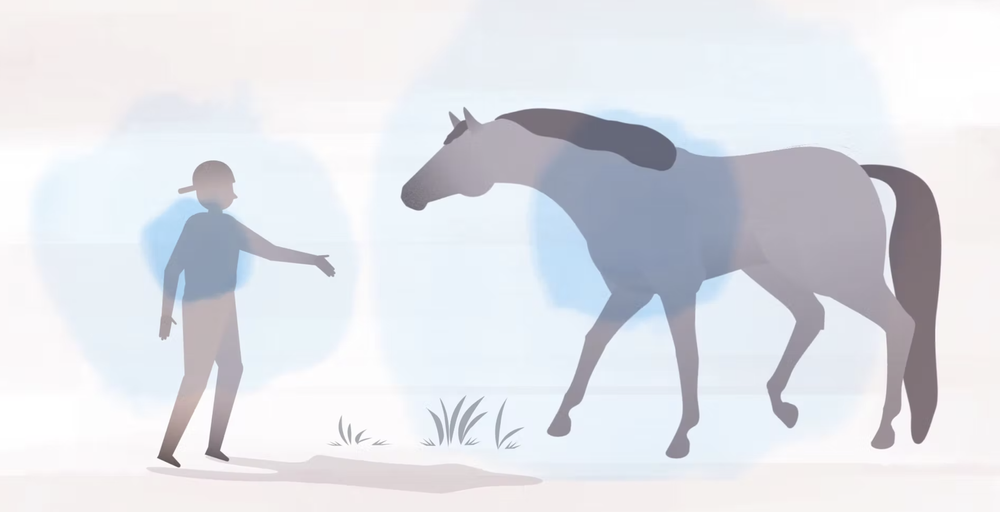
Raven Rock Ranch had difficulty explaining how equine-facilitated therapy could comfort children who had experienced severe trauma. We needed to help potential supporters understand an approach that might not feel intuitive.
The approach
The explanation balanced the science of trauma with empathy for the children experiencing it. Plain language and supportive visuals helped viewers understand how trauma can affect a child’s responses without reducing that child to a clinical description. That foundation made the role of horse therapy easier to understand, while a compassionate tone kept the focus on comfort, safety, and connection.
From the mailbox to the inbox: give readers a reason to respond.
Different audiences. Different asks. The same need to earn attention, make the value clear, and guide the next step.
Maple Leaf Farms
7. How can direct mail make a personal invitation worth answering?
A personalized puzzle, a letter from the company president, and a deliberately missing piece turned an invitation for executive chefs into an experience with a clear response mechanism.
Calibrate
8. How can an email sequence help readers work through their questions?
Emails for an employer-facing weight and metabolism program addressed questions about treatment, long-term health, and business value, helping readers consider the offer over a sequence of messages.
Nintex
9. How can emails give prospects a reason to start a conversation?
Supporting the LEAP convention campaign, emails used conversation starters, testimonials, and locally relevant messaging to give prospects reasons to book a one-to-one meeting.
10. Who can we trust to help answer all these questions?
I’m Cliff McCloe. I’d love to hear what’s next for AGP—and help you tell those stories.
Get me Cliff McCloe ↗